
Connecting young people to real skills and career opportunities
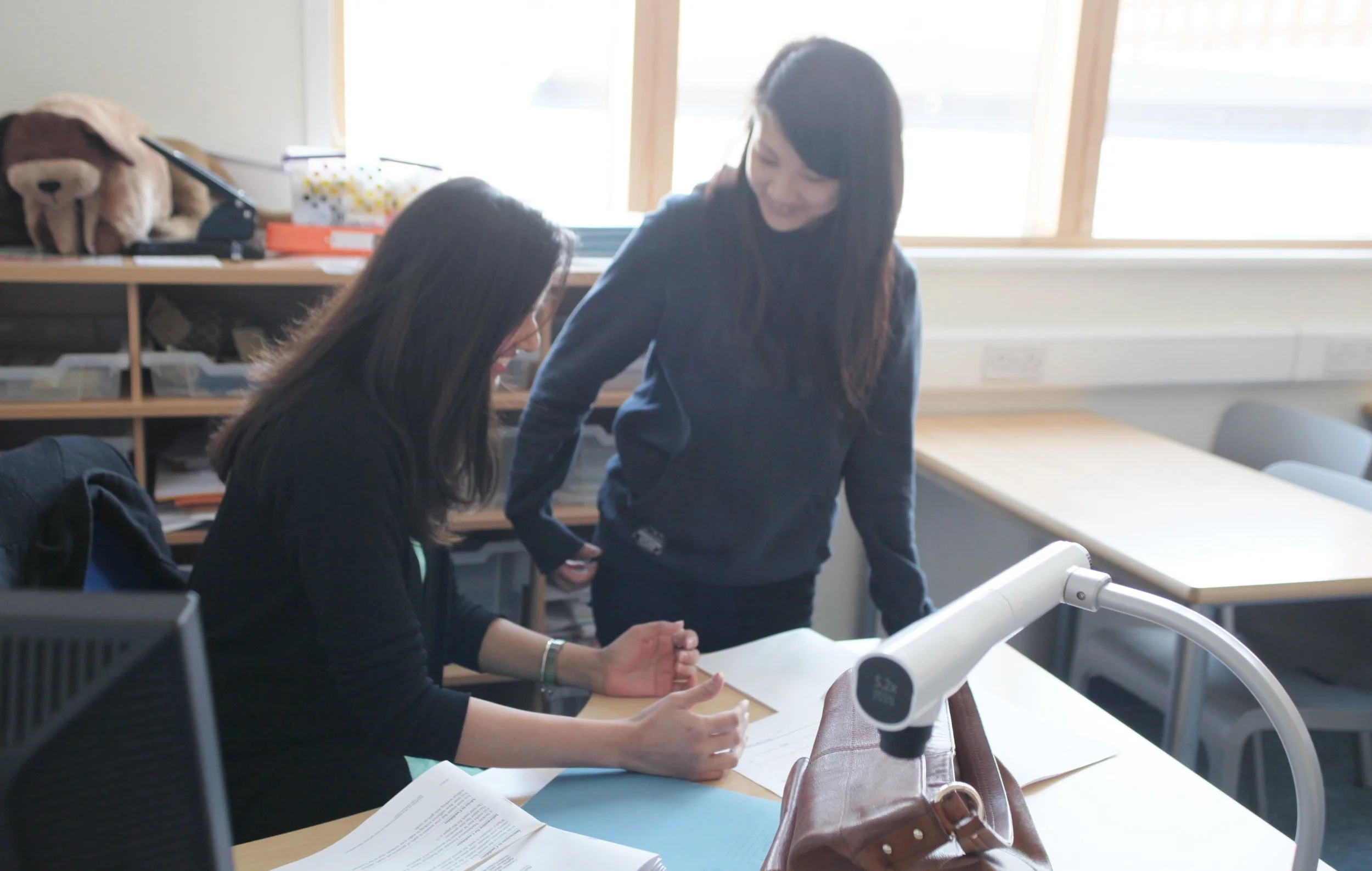
This year’s World Skills Day with its theme of ‘Skills For A Shared Future,’ left us thinking.
As the number of young people out of both education and employment climbs to nearly 1 million, and the rise of AI makes information and automation universally available, skills become central to any conversation around employability. For young people who may be at a disadvantage for a host of reasons, acquiring skills is even more important. It marks the difference between dependence and dignity and between stagnation and mobility.
The bigger question is: where and how will these young people acquire the skills that employers want?
Students without the privilege of networks lack access to professional spaces and mentors. They don’t always have the opportunity of ‘trying something out’ in a supportive, real-world setting to discover if they might want to build a future in that industry.
Tutorfair Foundation is committed to creating these opportunities one student at a time.
Over the last decade, we have supported thousands of students by connecting them to volunteer tutors who could mentor them towards success and achievement. We are now exploring whether a similar approach can be used for careers guidance.
In a recent pilot, we mapped students’ aspirations and found opportunities to connect them to professionals across diverse careers like dentistry, zoology, computer science, medicine and more. Immersing in real work scenarios brought both, clarity and a deeper understanding of the skills needed for employment and success.
As one student shared in her feedback:
“You organised a session for me with an academic, because I was curious about a career in academia. I really appreciated hearing about their experience and having you there to facilitate a productive, friendly conversation. I found these sessions to be a great forum for me to talk through some decisions because I could receive genuine guidance and support.”
Is it time to think of such solutions at scale? Should we be responding to rapidly-transforming workspaces with mentorships and apprenticeships as alternate pathways to acquire the skills that employers need today?