
A session with me: Rebecca Clements
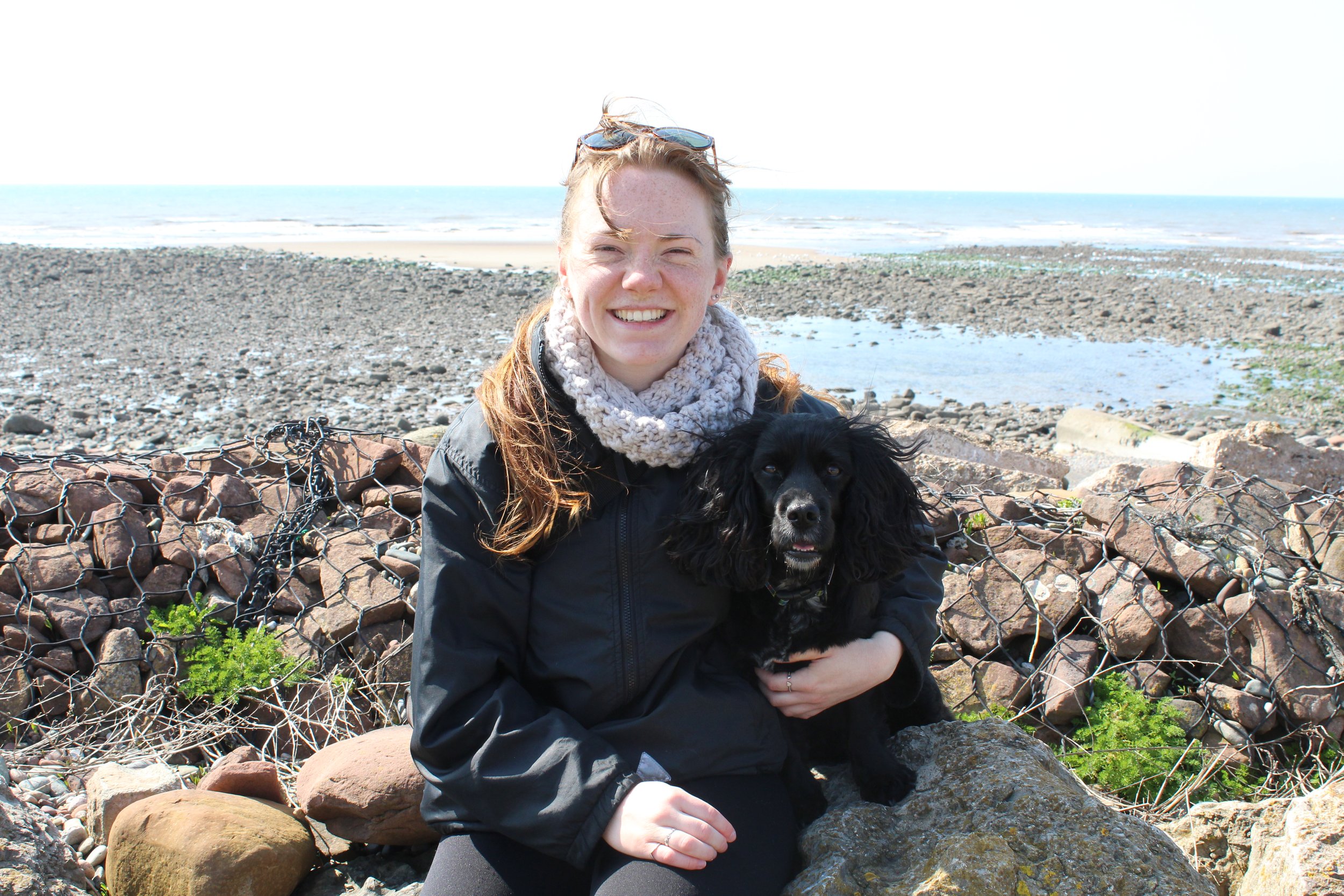
Rebecca has a PhD in Computational Chemistry and has been volunteering with Tutorfair Foundation since 2023. Here’s how she keeps her students riveted.
How did you begin tutoring?
I was studying for a PhD when I received an email from Tutorfair Foundation asking for volunteer tutors. I had previously done charity work and taught before, but my teaching background was in Maths, not science. When Tutorfair Foundation asked if I could take on science tutoring, I thought, “Why not?” I now mentor students in both maths and the sciences, looking for the best ways to support them.
Let’s dive in. If I were a student, how would my session with you begin?
I would have prepared before the session. I’m not a psychologist but when I meet students, I find it helpful to make notes of things they like, what they’re watching and so on. This gives me a natural entry point before we launch into the lesson.
How do you pick a starting point?
I have a spreadsheet of topics we have done together, so I know exactly what they have completed and what remains. I might then use a whiteboard or bring up past papers. The A-level students have more ownership of their learning, so they might lead with a question.
Past papers? Do you find them helpful?
Yes. They aren’t introduced done early enough at school and practice reduces anxiety and stress. This is not to say that we teach only to prepare students for exams, but I like to start from a paper and then spiral around it.
How do you maintain engagement?
I keep my notes handy, and use questions at transition points. Asking how did Sports Day go, or some such, can create space to ease up and engage even though it’s a virtual class.
How would you describe your experience with Tutorfair Foundation?
It has changed the direction of my life. As a researcher, I had a barrier to teaching. But, after tutoring with Tutorfair Foundation, I found l loved it so much that I went ahead and trained as a science teacher. I like helping students and making a difference.