
The word on the street is that jobs are hard to come by. Vacancies fell to 690,000 between August and October 2026 and employers have been hiring cautiously. For young people applying for their first jobs, it can feel like every door is shut.
Wait. A closer look reveals that the market isn’t static, it is changing shape. The UK will need 1.8 million more workers in priority occupations by 2035. That doesn’t mean everyone will have an easy job, but it does tell us that some careers are growing faster than and need to stay on the radar.
Care
Britain is getting older. More people will need help to live well at home, manage long-term conditions and stay independent.
Between new opportunities and replacement jobs, adult social care is expected to demand around 685,000 workers between 2025 and 2035 and various levels of skill. Care work isn’t for everyone as it is demanding. But it is also secure in demand and difficult to automate. It needs empathy, trust and people who can stay calm under pressure.
Tech beyond coding
We’ve heard that AI is affecting the tech sector, but actually jobs are growing. Hospitals, shops, manufacturers, school, charities and across every industry, organisations need people who understand data systems and who can help keep data safe and make technology work. These are jobs for managers and technicians who oversee the use of technology and according to Skills England, there will be 142,000 more jobs in priority digital and technology occupations by 2035.
Think software development, cyber security, IT support, digital marketing and project management.
Britain needs builders
With a nation in a housing crisis, aging infrastructure and energy systems that need upgrading, construction is a sector that will continue to grow. According to a report published in June 2026, the UK will see a shortfall of construction labour by 2030. Electricians, plumbers, surveyors, civil engineers and construction managers will all be needed. “Construction priority occupations are already showing signs of high demand, with 40% of the occupations in critical or elevated demand across the whole economy.”
Transition to clean energy
As Britain moves to renewable energy, solar panels, heat pumps, batteries and grid upgrades will need people to install, maintain and manage them.
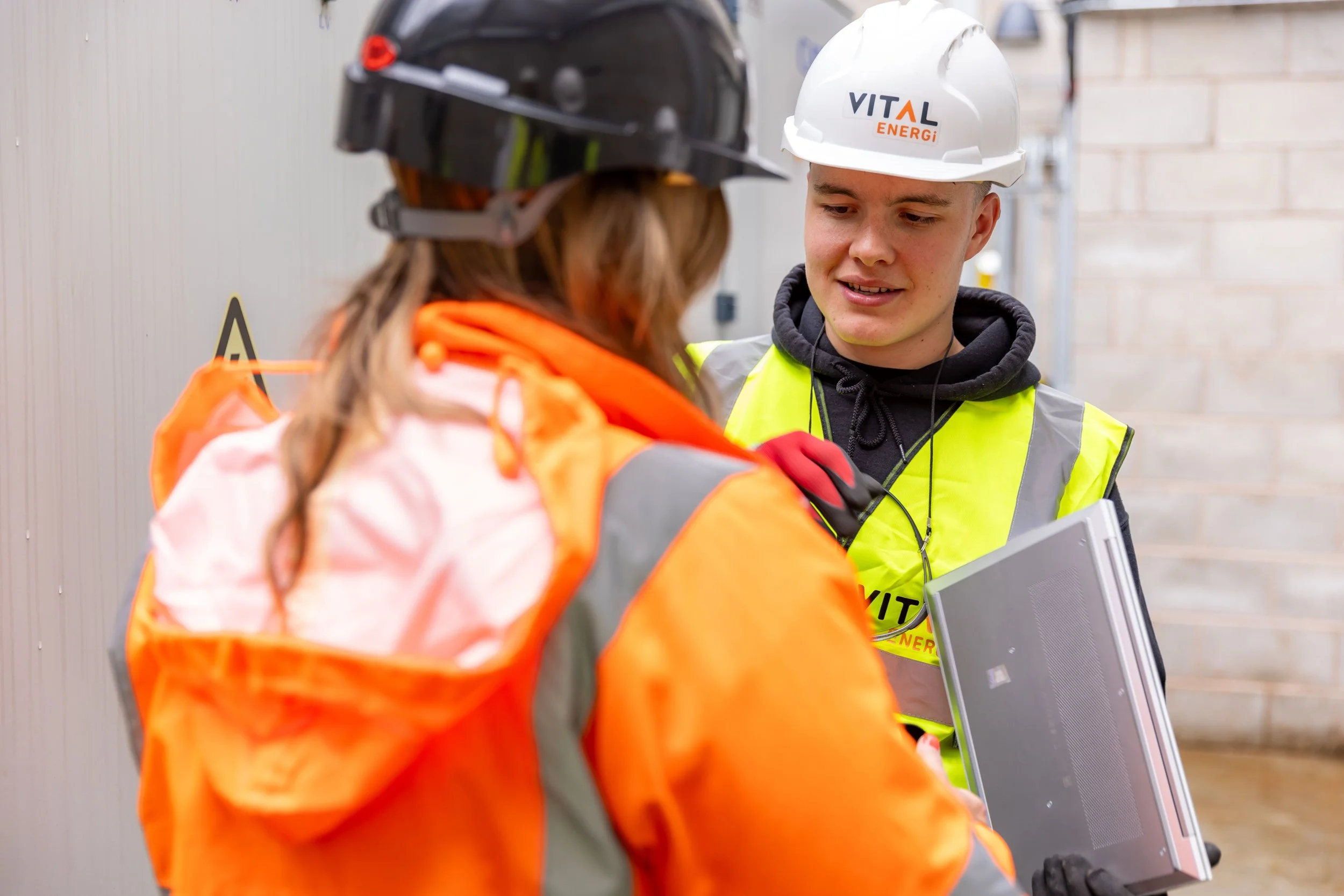
The transition to renewable energy is creating jobs now. Solar panels, wind farms, heat pumps, batteries and grid upgrades all need people to install, maintain and manage them, creating 161,000 new jobs between 2025 and 2030.
Other doors opening
According to Skills England, advanced manufacturing, life sciences, defence, creative industries and professional services are also expected to grow. They need engineers, lab technicians, designers, analysts, project managers and business support staff, not only the people with the most obvious job titles.
As a young person, it’s important to understand that a growing sector means more than one type of job. A renewable-energy company will need engineers, but it will also need people in finance, communications, planning, customer-service and more. Technology firms need developers, but they also need salespeople and project managers.
Build skills that move
No one can predict what the job market will look like ten years from now. But skills like communication, problem-solving, teamwork, organisation, digital confidence and the willingness to keep learning will always be important, no matter where you work.
How to build these skills
Get more hands-on experience in real work environments. Explore your interests and see what you enjoy doing while learning how to problem-solve in real time. Platforms like OpportunityX from Tutorfair Foundation are designed to help you find the sweet spot between your talents and what motivates you to grow.