
The gap between school and employment
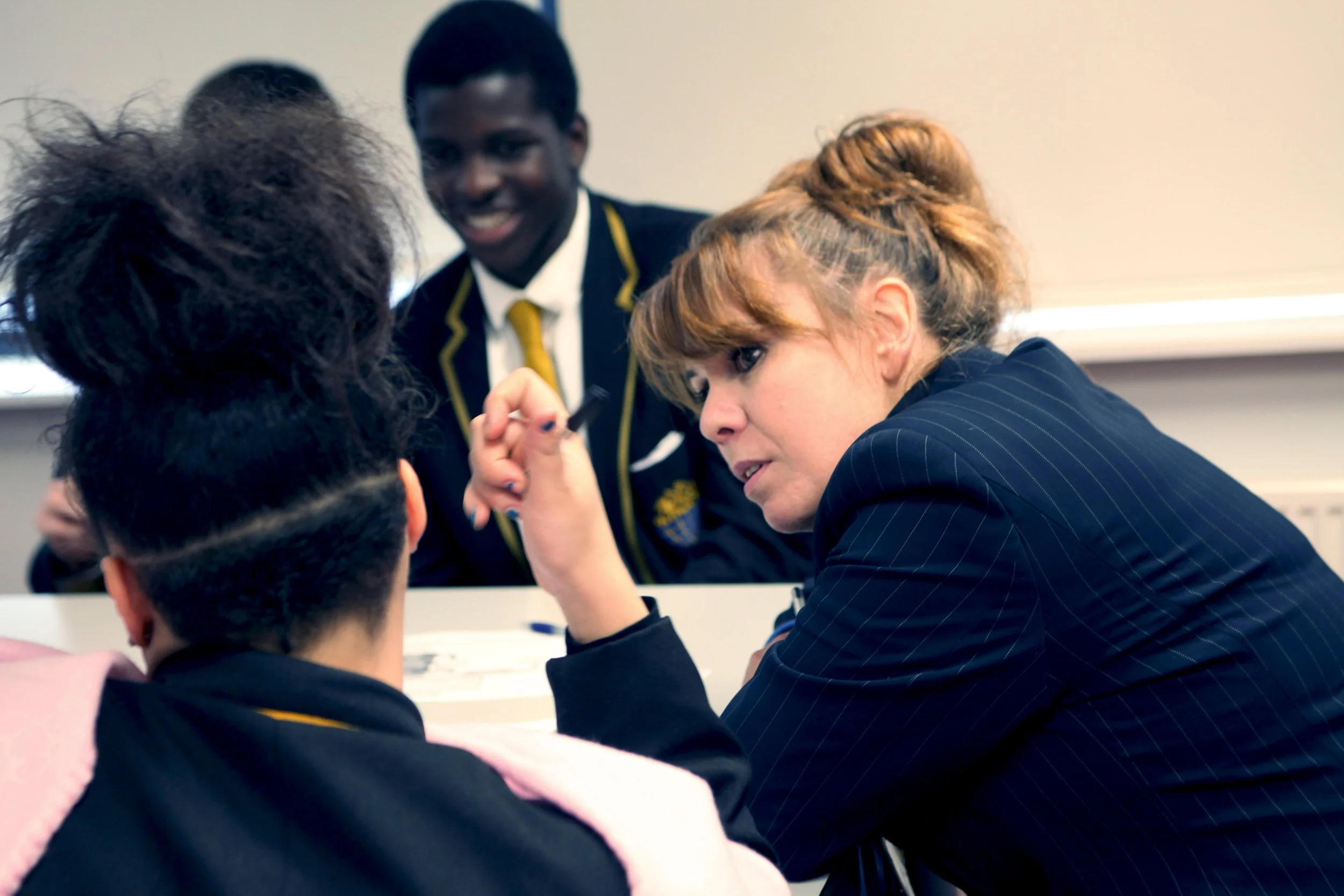
Can industry mentorships help students navigate this uncertain journey?
The path from school to a career is far from straightforward. And it is even more complicated for students who lack resources, academic support or insider networks to lean on. An Ofsted study shares that, without support, these young people could continue claiming out of work benefits till the age of 27.
Here’s why.
Even when these students stay in school, the lack of clear careers guidance is a challenge.
Schools are expected to prepare students for the future but good careers education is hard to deliver. According to a Sutton Trust report in 2022, more than a third of senior state school leaders reported limited funding for careers guidance. Without priority funding, guidance can become limited to the occasional talk or one-off event rather than sustained, meaningful engagement.
This means that many students leave school without a clear sense of direction, and a substantial proportion report feeling unprepared for their next steps. According to new UCL research, one in seven young people is not in work, education or training at the age of 23.
Admittedly, creating access to employers isn’t easy. Organising work placements, employer talks or mentoring opportunities requires and is especially challenging in areas with fewer local industries. But, without these interactions, careers education risks becoming abstract. Students hear about options but can’t connect them to real opportunities.
At Tutorfair Foundation, we have seen the difference that real-world mentoring makes to learning. Our community of 15,000 volunteer tutors connects learners to subject-matter experts across fields. Mentoring and motivating as they teach, our tutors connect learning back to real-world applications, helping students gain new perspective as they cross academic thresholds.
Our Futures programme, a pilot we ran to give students bite-sized exposure to careers they were considering, took this a step further and connected students to professionals in different areas. From historians and dentists to zoologists and coders, our students received the ‘insider’ perspective they needed.
As Peter Kirby, erstwhile Director of Tutorfair Foundation says on the need for more mentors, “We can only stand on the shoulders of the giants who have stood before us.”
When schools struggle to deliver career education, should we be looking outside schools for solutions? Should we be opening up to industry mentorships at scale to build a bridge between education and the world beyond it?
What do you think?
Read more about how Tutorfair Foundation supports students in their journeys. And, follow us LinkedIn for updates.